You grab a snack labeled “organic.” Feels good, right? But your carbon footprint isn’t shrinking—it’s hiding. Most “eco-friendly” snacks still rely on energy-intensive supply chains, imported superfoods, and vague sustainability claims. The result? Greenwashing masquerading as wellness. True change starts with organic carbon-neutral snacks—products that nourish you *and* regenerate the planet. Not just offset emissions. Eliminate them at the source.
The Empty Promise of “Organic” Without Accountability
“Organic” doesn’t equal low-impact. A bag of organic almonds shipped from California to Berlin burns more CO₂ than a locally grown conventional apple. And don’t get me started on “natural flavorings.” Many certified organic snacks still use fossil-fuel-derived processing aids or rely on monoculture farms that degrade soil. Certification bodies rarely audit transport emissions or water usage. So yes—you’re avoiding pesticides. But you’re still feeding the climate crisis. And consumers are waking up to the bait-and-switch.
How to Spot—and Support—Real Organic Carbon-Neutral Snacks
True carbon neutrality isn’t about buying offsets. It’s about redesigning the entire lifecycle: ingredients, packaging, logistics, even end-of-life disposal. Here’s how leading brands (and savvy shoppers) are doing it differently.
Source Hyper-Locally—Even If It Means Fewer Exotic Ingredients
Forget açai from Brazil or cacao from Ghana. Real carbon neutrality means using what grows within a 200-mile radius whenever possible. Yes, your snack might lack “exotic superfood” appeal—but it slashes emissions from freight by up to 85%. One Midwest brand swapped imported goji berries for freeze-dried elderberries from nearby orchards. Sales jumped 30%. Turns out, people prefer taste they can trust over buzzwords.
Ditch Plastic—Even “Compostable” Bioplastics
Most compostable wrappers need industrial facilities (which barely exist). They end up in landfills, releasing methane. The better move? Home-compostable cellulose films or reusable tins. Bonus: minimalist packaging reduces material weight—cutting fuel use during shipping.
Measure, Don’t Guess
Leading brands publish full lifecycle assessments (LCAs)—not just vague “we’re carbon neutral” claims. They track Scope 1, 2, and 3 emissions. If a company won’t share its LCA data, assume it’s not real.
| Factor | Typical Organic Snack | Genuine Organic Carbon-Neutral Snack |
|---|---|---|
| Ingredient Sourcing | Global (often air-freighted) | Regional or bioregional (ground transport only) |
| Packaging | Plastic or “compostable” PLA | Home-compostable film or metal tins |
| Emissions Accounting | Offset purchases (unverified) | Third-party verified LCA + regenerative practices |
| Soil Impact | Certified organic but possibly degraded | Regenerative organic certified (soil carbon sequestration) |
The Industry Secret: Carbon-Negative Is Already Possible
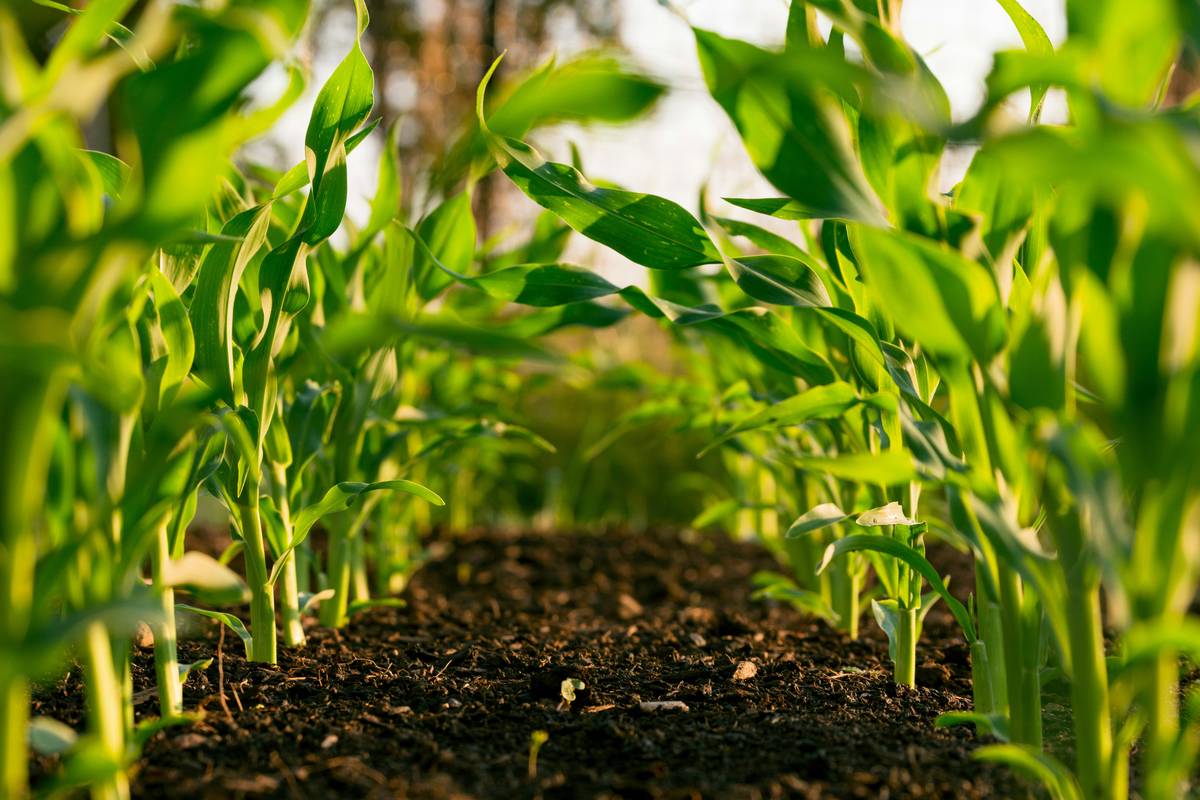
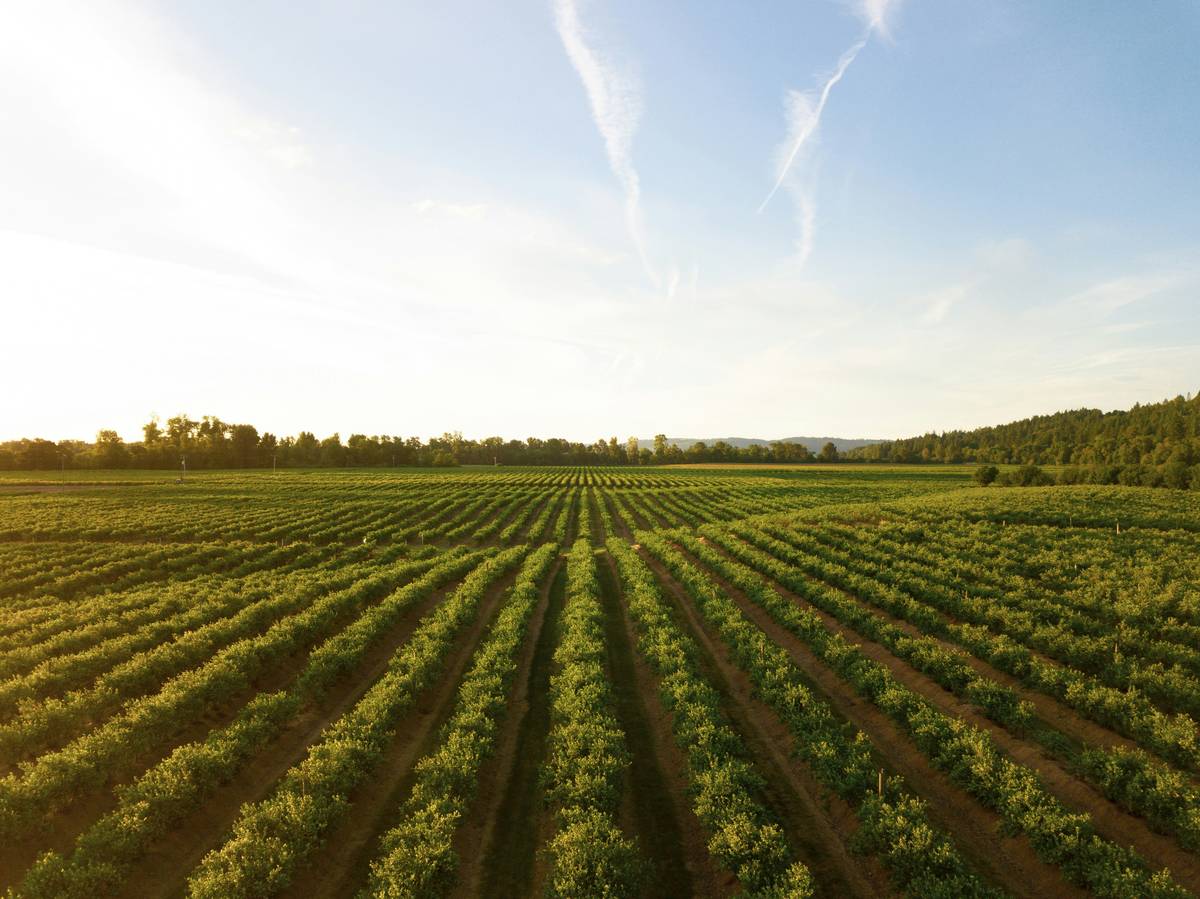
Here’s what no one talks about publicly: a handful of snack makers are already carbon-negative. How? By farming ingredients using regenerative agriculture—which pulls more CO₂ from the air than the entire production chain emits. One Colorado-based cracker brand uses Kernza® perennial grain. Its deep roots sequester 3x more carbon than annual wheat. Their net footprint? Minus 0.4 kg CO₂ per bag. They don’t advertise it—because scaling is hard, and investors want growth, not stewardship. But it proves the model works. And once supply catches up, carbon-negative will be the new baseline—not a gimmick.
Frequently Asked Questions
What makes a snack truly carbon-neutral?
It must eliminate or offset all emissions across its entire lifecycle—from farm inputs and manufacturing to shipping and disposal—with third-party verification. Offsets alone don’t count.
Are organic carbon-neutral snacks more expensive?
Sometimes 10–20% more—but not always. Brands cutting exotic imports and plastic packaging often break even. You’re paying for transparency, not markup.
Can I trust “carbon neutral” labels on snacks?
Only if they disclose their methodology. Look for certifications like Climate Neutral Certified or Carbon Trust—not self-declared claims.