You’re trying to eat clean—truly clean. Not just organic ingredients, but zero plastic wrappers, no hidden synthetics, nothing that leaves guilt on your conscience or microplastics in your gut. Yet every “eco-friendly” snack brand still ships in laminated pouches or compostable films that need industrial facilities to break down—which most of us don’t have access to. The contradiction is exhausting. Good news: real organic plastic-free snacks exist—if you know where to look and what to demand.
The Packaging Paradox in Clean Eating
Most brands slap “organic” on the label and call it ethical. But if it’s wrapped in plastic—even bioplastic—it defeats half the purpose. Bioplastics often mimic conventional plastics in behavior; they don’t magically vanish in your backyard compost. And recycling? Less than 9% of all plastic ever made has been recycled. Ever.
We’ve outsourced responsibility to consumers while manufacturers keep using flexible films because they’re cheap and lightweight. Convenient for them. Catastrophic for ecosystems.
How to Source & Choose Genuine Organic Plastic-Free Snacks
Know Your Materials: Beyond the Greenwashing
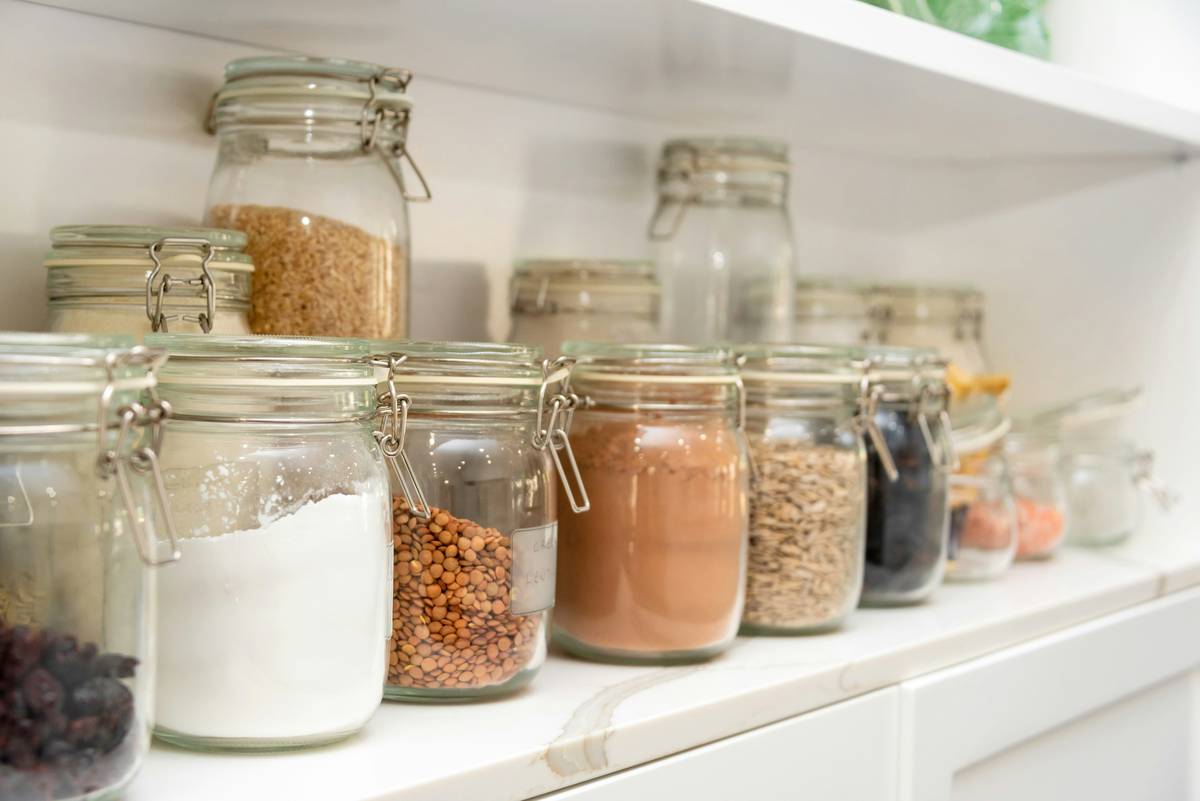
True plastic-free packaging includes glass jars, metal tins, paper wraps with plant-based inks, or home-compostable cellulose films (like those derived from wood pulp). If the brand can’t name the exact material—or says “eco-pouch” without specifics—walk away.
Check Certifications That Actually Matter
USDA Organic is essential—but insufficient alone. Look for Plastic Free Certification (by A Plastic Planet) or TÜV OK Compost HOME. These verify not just content, but end-of-life behavior.
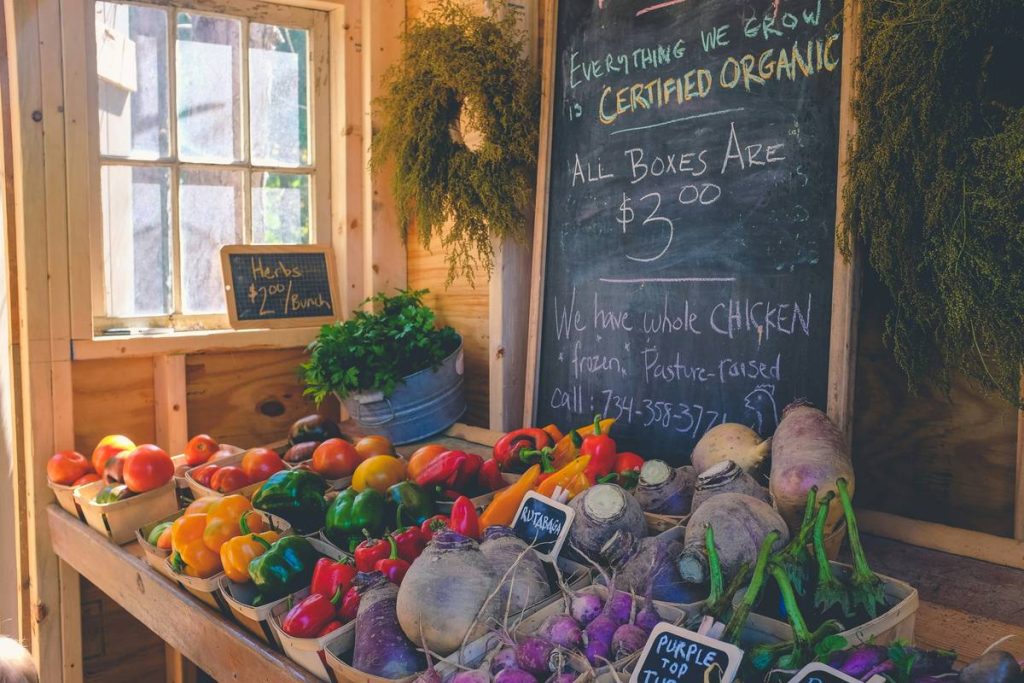
Support Local & Refill Models
Small-batch makers often use returnable containers or sell in bulk at co-ops. It’s less scalable, yes—but infinitely more honest. And the taste? Noticeably fresher.
| Snack Type | Typical Packaging | Truly Plastic-Free Alternative | Price Premium (Avg.) |
|---|---|---|---|
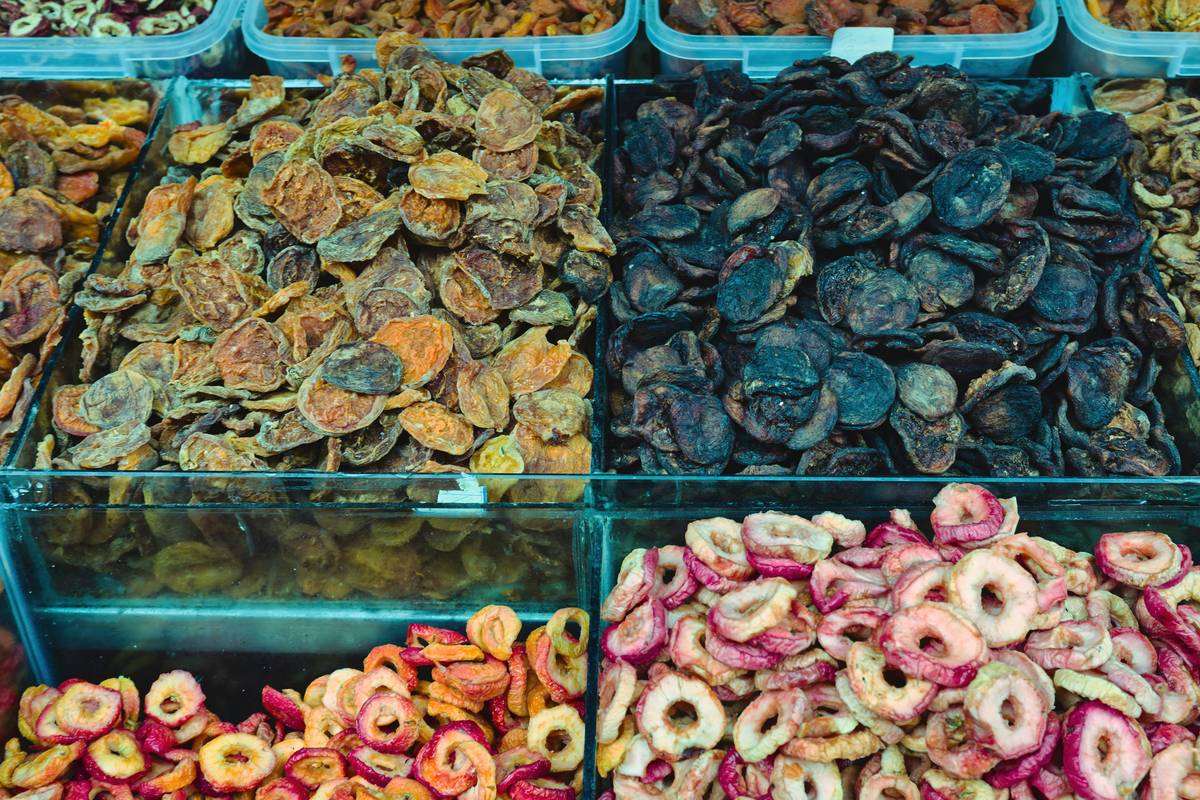
| Dried Fruit | Plastic-lined foil pouch | Recycled paper bag with soy ink | +15% |
| Granola | Compostable film (industrial-only) | Refillable metal tin or glass jar | +20% |
| Nut Butter | PET plastic jar | Glass jar with aluminum lid | +10% |
| Veggie Chips | Multilayer plastic bag | Home-compostable cellulose wrap | +25% |
The Industry Secret No One Talks About
Here’s the uncomfortable truth: many “plastic-free” startups still rely on plastic during production—liners in mixers, conveyor belts coated in polymer, even gloves worn by packers. True systemic change requires auditing the entire supply chain, not just the final package. At LittleBeei, we switched to stainless steel batching systems and cotton handling gloves—costly upfront, but non-negotiable for integrity. Most competitors won’t admit this because transparency cuts into margins. We believe your health isn’t negotiable.
Frequently Asked Questions
Are organic plastic-free snacks more expensive?
Usually, yes—by 10–25%. You’re paying for ethical sourcing, non-plastic packaging, and smaller batches. But consider it an investment in long-term health and planetary resilience.
Can I compost plastic-free snack wrappers at home?
Only if labeled “home compostable” (e.g., TÜV OK Compost HOME). Avoid anything labeled just “biodegradable”—that term is unregulated and often meaningless.
Where can I buy truly organic plastic-free snacks?
Start with brands like LittleBeei.com that publish full material disclosures. Farmer’s markets, refill stores, and direct-to-consumer models offer the highest transparency.