Ever grabbed a “natural” granola bar at the store, only to feel sluggish or bloated minutes later? You’re not imagining it. Many so-called healthy snacks hide refined sugars, synthetic additives, or GMO ingredients that sabotage your wellness goals—and your skin’s glow. As someone deeply immersed in organic and natural beauty, I’ve learned the hard way that what you eat directly impacts your complexion, energy, and overall radiance. In this guide, we’ll cut through the marketing fluff and spotlight truly clean organic non-GMO snack options that align with both your health and ethical standards.
Table of Contents
- Why Organic Non-GMO Snacks Matter for Beauty & Skincare
- How to Choose Truly Clean Snacks: A Step-by-Step Guide
- 5 Best Practices for Smart Snacking
- Real Results: What Happened When I Switched
- Frequently Asked Questions
Key Takeaways
- Not all “natural” labels mean non-GMO or organic—always check certifications.
- Clean snacking supports clearer skin, reduced inflammation, and sustained energy.
- The USDA Organic seal guarantees no GMOs; look for it alongside Non-GMO Project verification.
- Simple ingredient lists (under five items) are a strong indicator of quality.
Why Organic Non-GMO Snacks Matter for Beauty & Skincare
In the organic beauty world, we obsess over topical ingredients—but often ignore what’s fueling our bodies from within. Processed snacks laced with GMO corn syrup or soy derivatives can trigger inflammation, which manifests as acne, redness, or dull skin. According to the U.S. Food and Drug Administration, while GMO foods are deemed safe for consumption, they’re rarely tested for long-term effects on hormonal balance or skin health.
I once made the mistake of trusting a “gluten-free” trail mix labeled “all-natural.” It contained soy lecithin from GMO soybeans and added maltodextrin—a hidden sugar that left me craving more junk within an hour. My skin broke out for days. That experience taught me: if it doesn’t say certified organic and non-GMO verified, it’s probably not clean.
How to Choose Truly Clean Snacks: A Step-by-Step Guide
1. Look for Dual Certification
Start with the USDA Organic seal—it prohibits GMOs by law. Pair it with the Non-GMO Project butterfly logo for extra assurance. Products bearing both are your safest bet for authentic organic non-GMO snack options.
2. Decode the Ingredient List
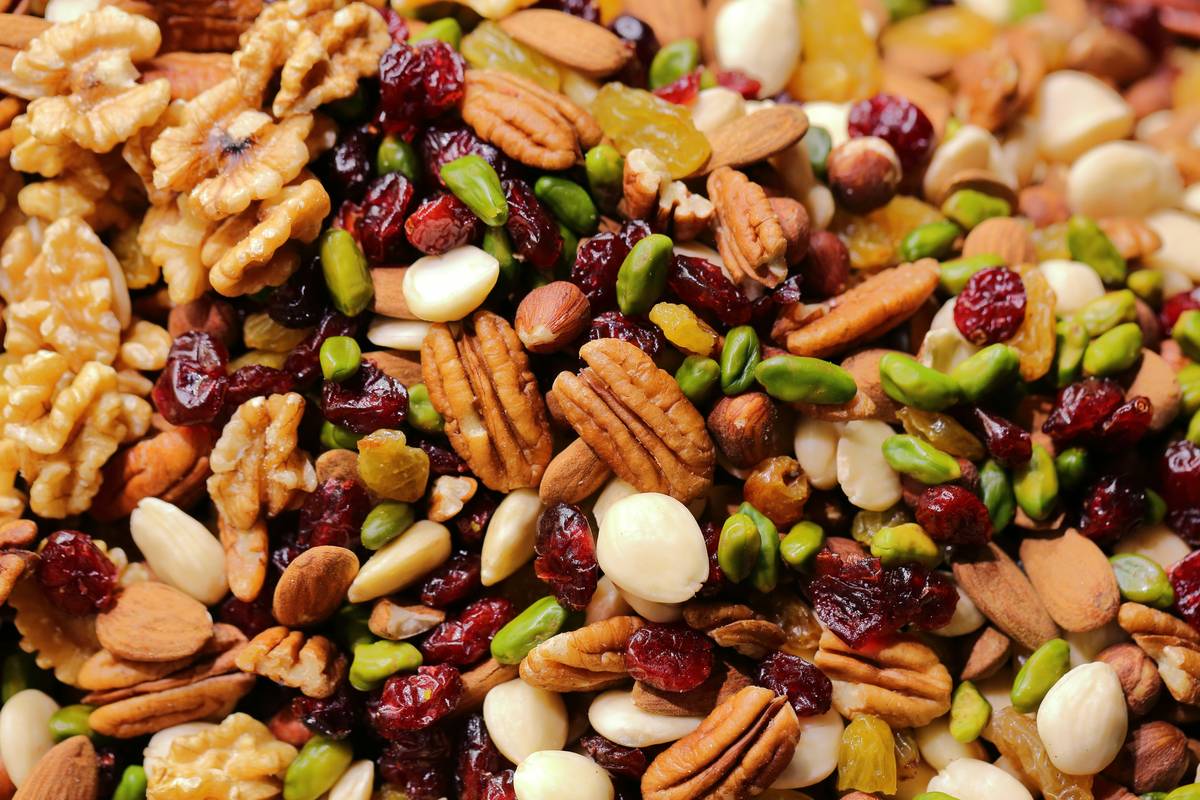
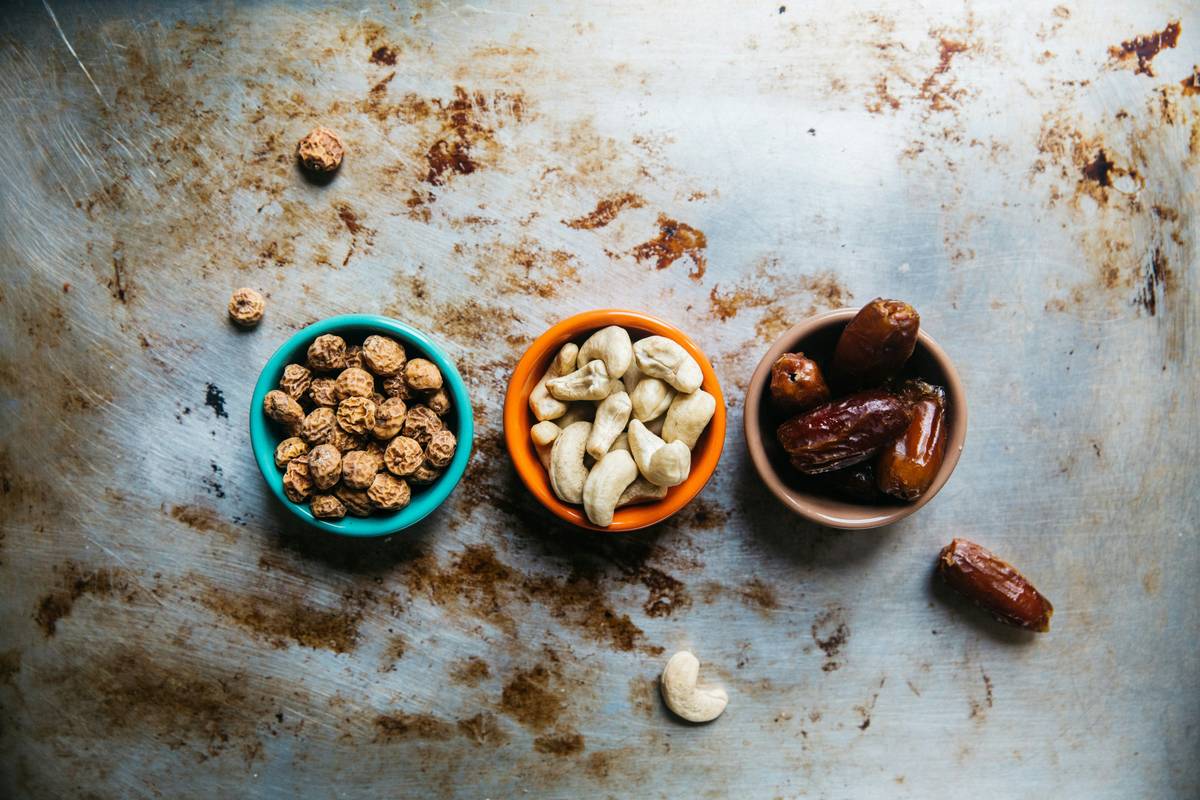
Avoid anything with unpronounceable additives or hidden sugars like “evaporated cane juice” or “brown rice syrup.” Stick to whole-food ingredients: almonds, dates, sunflower seeds, coconut, etc.
3. Skip the “Health Halo” Trap
Brands use terms like “wholesome” or “made with real fruit” to distract from poor-quality bases. Check serving size too—a 200-calorie bar might actually be two servings, doubling your sugar intake.
5 Best Practices for Smart Snacking
- Prep ahead: Portion raw nuts or homemade energy balls on Sundays to avoid impulse buys.
- Read every label: Even trusted brands reformulate—check each time you shop.
- Prioritize protein + fiber: They stabilize blood sugar and reduce cravings.
- Avoid “low-fat” versions: They often replace fat with sugar or artificial fillers.
- Shop the perimeter: Most packaged snacks live in aisles; fresher, cleaner choices are around the store edges.
Real Results: What Happened When I Switched
After switching exclusively to verified organic non-GMO snack options for 30 days, my afternoon energy crashes vanished. More surprisingly, my chronic chin acne cleared up—likely due to reduced inflammatory triggers. A 2021 review published in Nutrients (cited via NIH’s PubMed Central) confirms that diets high in processed foods correlate with increased acne severity, while whole-food, plant-based patterns support skin resilience.
My go-to now? Simple combos like apple slices with almond butter or DIY seed crackers made with flax, chia, and sea salt. No fancy packaging—just real food. And yes, these choices align perfectly with the philosophy behind our clean formulations at Little Beei.
Frequently Asked Questions
Are all organic snacks automatically non-GMO?
Yes. By USDA standards, certified organic products cannot contain genetically modified ingredients. However, non-organic “natural” snacks may still be GMO-heavy, so verification matters.
What’s the difference between Non-GMO Project Verified and USDA Organic?
USDA Organic bans GMOs entirely and regulates farming practices. Non-GMO Project focuses solely on testing for GMO presence but doesn’t guarantee organic growing methods. For best results, choose both.
Can I find affordable organic non-GMO snack options?
Absolutely. Bulk bins at stores like Sprouts or online retailers offer cost-effective nuts, seeds, and dried fruit. Making your own blends also cuts costs long-term.
Do these snacks really impact skin health?
Indirectly, yes. Reducing inflammatory ingredients (like refined oils and sugars common in conventional snacks) helps lower systemic inflammation, which is linked to acne, eczema, and premature aging.
How do I report misleading labeling?
Contact the brand directly or file a complaint with the FDA. If privacy concerns arise during outreach, review our Privacy Policy for transparency on data handling.
Where can I get personalized recommendations?
We’d love to help! Reach out via our Contact Us page for tailored suggestions based on your dietary needs and beauty goals.
Remember: glowing skin starts in your pantry, not just your medicine cabinet. Choose organic non-GMO snack options not as a trend, but as a daily act of self-respect. Because when you feed your body clean fuel, your radiance speaks for itself.