You’re tired of crashing by 3 p.m.—again. You grab a “healthy” bar, only to find it’s packed with hidden sugars and unpronounceable oils. The cycle repeats: guilt, energy spikes, crashes, more guilt. What if your snacks could fuel clarity, not cravings? Real organic snack routines aren’t about willpower—they’re about system design.
Why Most “Healthy” Snacking Fails Miserably
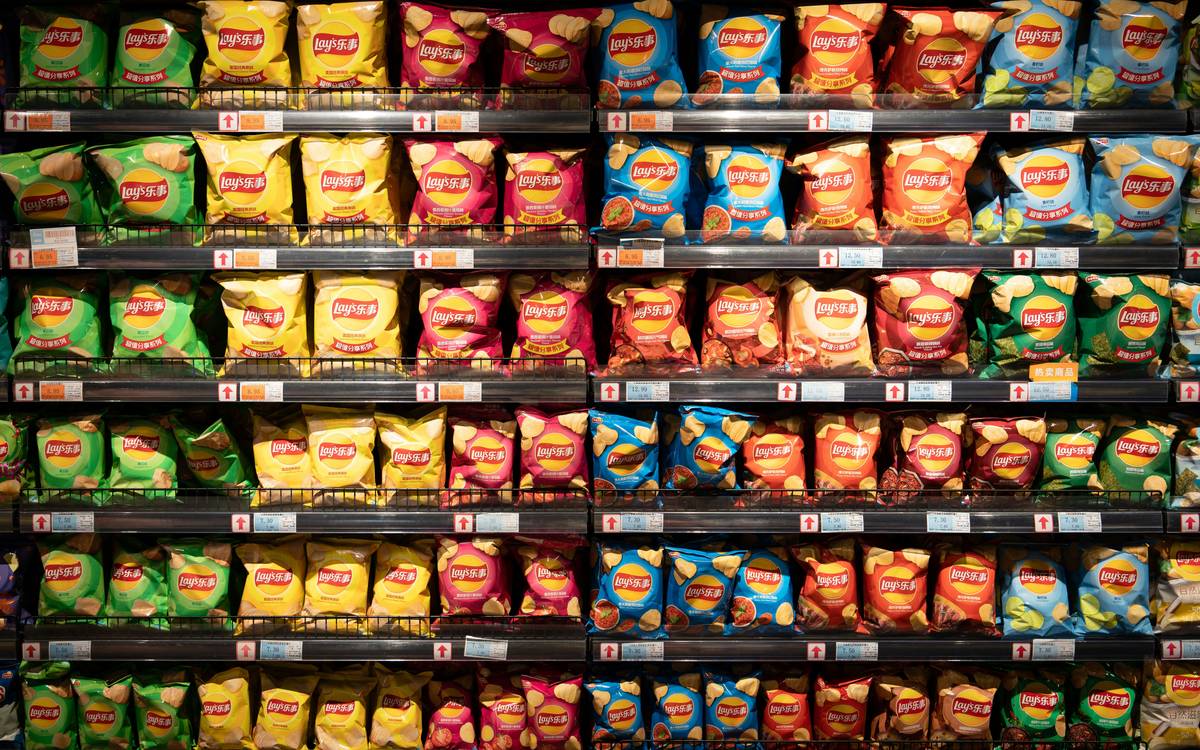
Most people treat snacking like an afterthought. They stock up on overpriced, misleadingly labeled “organic” bars that contain dates, syrups, and seed oils—still ultra-processed, just repackaged. And the result? Blood sugar chaos disguised as virtue.
The problem isn’t desire—it’s default behavior. Without structure, even well-intentioned choices collapse under stress, travel, or a rushed morning. Organic ≠ automatic health. Processing level matters more than the label.
Building Your organic snack routines: A No-Fluff Blueprint
Step 1: Audit Your Current Triggers
Track your snacking for 48 hours—not what you eat, but why. Boredom? Low blood sugar? Habitual scrolling paired with mindless munching? Identify the trigger before you swap the snack.
Step 2: Prioritize Whole Foods Over “Products”
Forget shelf-stable bars for daily use. Build around minimally handled ingredients: raw nuts, fresh fruit, fermented veggies, sprouted seeds. If it has a barcode, read the ingredient list like a contract—not marketing copy.
Step 3: Batch-Prep Like a Pro (Not a Perfectionist)
Spend 20 minutes Sunday prepping three core combos. Keep them visible in clear containers at eye level in your fridge or pantry. Visibility drives behavior—out of sight really does mean out of mind.

| Snack Type | Prep Time | Avg. Cost per Serving | Blood Sugar Impact |
|---|---|---|---|
| Store-Bought “Organic” Protein Bar | 0 min | $2.50–$3.75 | High (hidden sugars) |
| Homemade Seed + Nut Mix (unsweetened) | 5 min (weekly batch) | $0.90–$1.30 | Low (high fat/fiber) |
| Sliced Apple + Almond Butter | 2 min | $1.10 | Moderate (natural fructose balanced with fat) |
| Fermented Veggie Cup (sauerkraut/kimchi) | 0 min (buy bulk) | $0.75 | Negligible (probiotic-rich, near-zero sugar) |
The Industry Secret No One Talks About
Here’s the reality: many certified organic snacks are still engineered for hyper-palatability—just with “cleaner” sweeteners like coconut nectar or monk fruit blends. The body doesn’t care if sugar comes from cane or coconut; insulin responds the same.
True organic snack routines focus on satiety signaling, not sweetness substitution. Fat + fiber + fermentation—that’s the trifecta most brands ignore because it doesn’t sell like chocolate-dipped anything. But it stabilizes mood, skin tone (yes, really), and afternoon focus better than any adaptogen latte.
And remember: digestion starts in the mouth. Chewing whole almonds beats gulping a smoothie bar any day for gut-brain communication.
Frequently Asked Questions
Can organic snack routines help with acne?
Potentially. Spiking blood sugar triggers inflammation and sebum production. Stable glucose from low-glycemic organic snacks may reduce breakouts over time—especially when combined with clean skincare.
Are homemade organic snacks really cheaper?
Yes—when you buy in bulk and avoid single-serve markup. A $15 bag of raw walnuts yields 20+ servings vs. $3 per bar. The math is simple: processing costs get passed to you.
How often should I snack on an organic routine?
Only if genuinely hungry. True organic snack routines aren’t about grazing—they’re strategic fueling between meals. Two max, and always paired with protein or fat to blunt glucose response.