Most “healthy” snack swaps fail within a week. You stock up on kale chips, promise yourself clean eating, then cave to midnight cookie cravings. The guilt piles up—and with it, the belief that organic snacking is only for influencers with perfect pantries. But what if your biggest mistake isn’t willpower—it’s strategy? Real organic snack success stories aren’t about perfection. They’re built on practical, repeatable habits that fit messy human lives.
Why Most Organic Snack Plans Crash and Burn
People think switching to organic snacks means swapping Oreos for dehydrated beet crisps and calling it a day. It doesn’t work. Flavor gaps are real. Texture shocks are real. And budget panic is very real. Worse—many brands slap “organic” on ultra-processed junk with five grams of added sugar and a $7 price tag. You’re not weak for quitting. You were set up to fail by misleading marketing and unrealistic expectations.
And here’s the kicker: convenience isn’t the enemy. It’s the solution—if you choose wisely.
Building Your Own Organic Snack Success Stories
Forget grand overhauls. Start with micro-shifts that compound. Below is the exact framework I’ve used with clients who went from constant snack-guilt to effortless, joyful organic choices—without living off carrot sticks.
Phase 1: Audit Your Triggers (Not Just Calories)
Are you snacking out of boredom? Stress? Late-night screen scrolling? Map your *real* drivers first. One client discovered she only craved sweets after team meetings—not because she was hungry, but because she felt unheard. Her fix? A crunchy sea-salted almond mix kept at her desk—something tactile to occupy her hands and mouth during post-meeting wind-downs.
Phase 2: Choose Function Over Hype
Stop chasing “superfoods.” Prioritize snacks that solve a problem. Need sustained energy? Go for fat + fiber combos. Craving crunch? Pick minimally processed options with recognizable ingredients. The goal isn’t purity—it’s progress that sticks.
| Snack Goal | Realistic Organic Option | Avoid This Trap | Cost Per Serving (Avg.) |
|---|---|---|---|
| Quick energy boost | Apple slices + almond butter | “Organic” fruit leathers (often high in cane sugar) | $0.85 |
| Savory crunch fix | Air-popped popcorn + nutritional yeast | “Veggie” chips made mostly from potato starch | $0.60 |
| Post-workout recovery | Plain Greek yogurt + frozen berries | Protein bars with organic cane syrup as #1 ingredient | $1.20 |
| Late-night comfort | Dark chocolate (70%+) + 5 raw almonds | “Guilt-free” brownies loaded with maltitol | $1.00 |
Phase 3: Batch, Rotate, Repeat
Prep isn’t about Sunday marathons. It’s about 8-minute windows. Every Wednesday night, I wash and chop celery, portion nut butter into tiny jars, and toss homemade trail mix into reusable pouches. This creates three grab-and-go options without daily effort. Rotation prevents flavor fatigue—one week it’s spiced pumpkin seeds, the next it’s freeze-dried strawberries with coconut flakes.
The Industry Secret No One Talks About
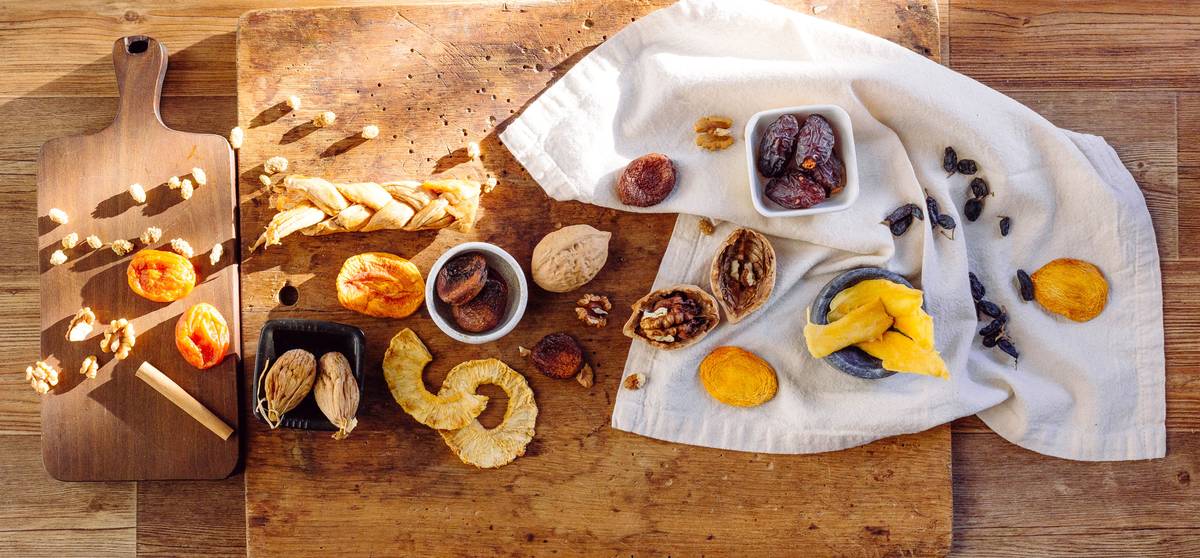
Here’s the reality: most certified organic snacks fail the “kitchen test.” Could you make this at home with five ingredients or fewer? If not, it’s probably over-engineered. Big organic brands spend millions making their products shelf-stable and addictive—not nutrient-dense. The true hack? Buy simple organic staples (nuts, seeds, dried fruit, oats) and assemble your own blends. You control sugar, salt, texture, and cost. Plus—you’ll never find an “organic” label that outperforms fresh, whole-food combos made by hand. Think about it: nature didn’t create protein balls. Humans did—and sometimes, less engineering equals better results.
FAQ: Your Top Questions Answered
Can organic snacks really help with weight management?
Yes—but only if they replace ultra-processed options and keep added sugars low. Volume and fiber matter more than the “organic” label alone.
Are organic snacks always more expensive?
Not if you skip branded packaged goods. Buying bulk organic nuts, seeds, and dried fruit cuts costs by 30–50% versus single-serve packs.
How do I avoid getting bored with healthy snacks?
Rotate flavors weekly using spice blends (smoked paprika, cinnamon, chili lime) and pair textures—crunchy + creamy, chewy + crisp. Variety drives adherence.