You’ve swapped cookies for kale chips. Trading soda for kombucha. And yet… that 3 p.m. sugar crash still hits like a freight train. The problem isn’t your willpower—it’s the hidden traps in so-called “organic” snacks. Marketing labels lie. Ingredients deceive. And your body knows it. But what if you could outsmart the system without feeling deprived?
Why most organic snack strategies backfire
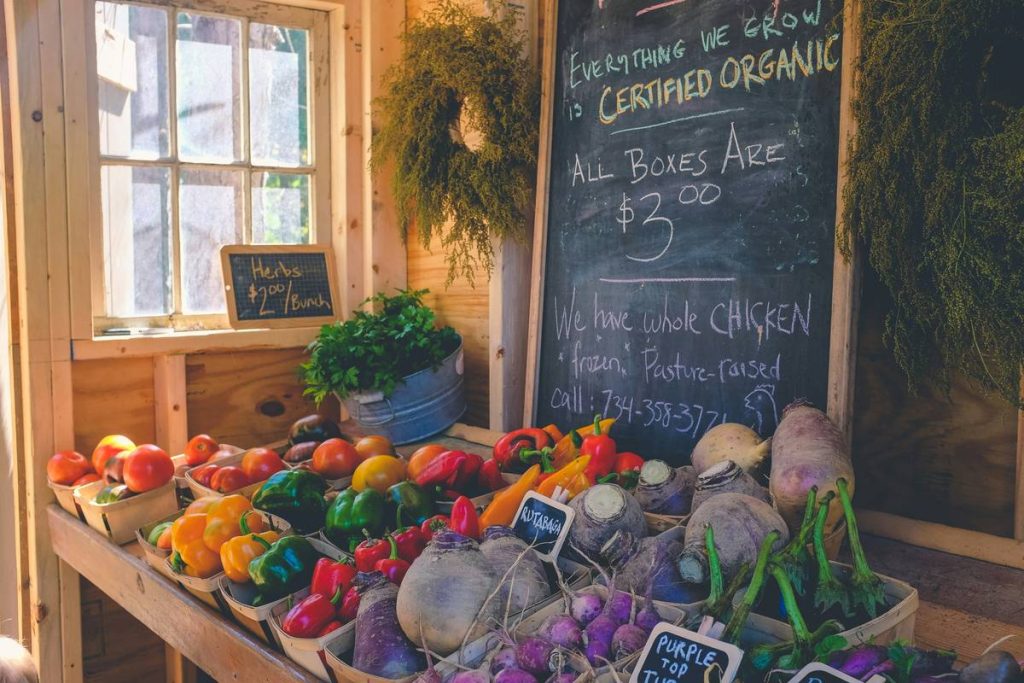
Organic doesn’t automatically mean healthy. A snack can be USDA-certified organic and still be loaded with added sugars, processed flours, or inflammatory oils.
Many well-intentioned people fall into the “health halo” trap—assuming anything labeled natural or organic is guilt-free. It’s not. And that misalignment fuels cravings, energy dips, and eventual burnout.
The real issue? Most solutions focus on substitution—not structure. Swapping junk for “better junk” ignores metabolic rhythm, satiety signals, and long-term sustainability.
Navigating organic snack challenges with intention
True success starts when you stop chasing snacks and start designing smart fueling windows. Here’s how:
Map your hunger—don’t guess it
Track your cravings for three days. Note time, mood, and what you actually ate—not what you *planned* to eat. Patterns emerge fast.
Choose density over deception
Opt for whole-food combos that deliver fiber + fat + protein. Think almond butter on apple slices, not “organic fruit leather” with three grams of sugar per bite.
Rethink convenience
Pre-portion your own snacks Sunday night. Skip the $7 “clean” bars wrapped in compostable plastic. They’re rarely worth it—and often less nutritious than humble pantry staples.

| Snack Approach | Avg. Cost per Serving | Satiety Duration | Hidden Pitfalls |
|---|---|---|---|
| Store-bought “organic” protein bars | $2.50–$4.00 | 45–75 mins | Added sugars, seed oils, misleading “natural flavors” |
| DIY trail mix (nuts, seeds, unsweetened coconut) | $0.85–$1.20 | 2.5–3.5 hours | Portion control (easy to overeat) |
| Seasonal fruit + full-fat yogurt | $1.10–$1.75 | 2–3 hours | Dairy sensitivity; choose grass-fed if tolerated |
| Roasted chickpeas (homemade) | $0.60–$0.90 | 3+ hours | Watch salt levels; avoid store versions with maltodextrin |

The industry secret no brand wants you to know
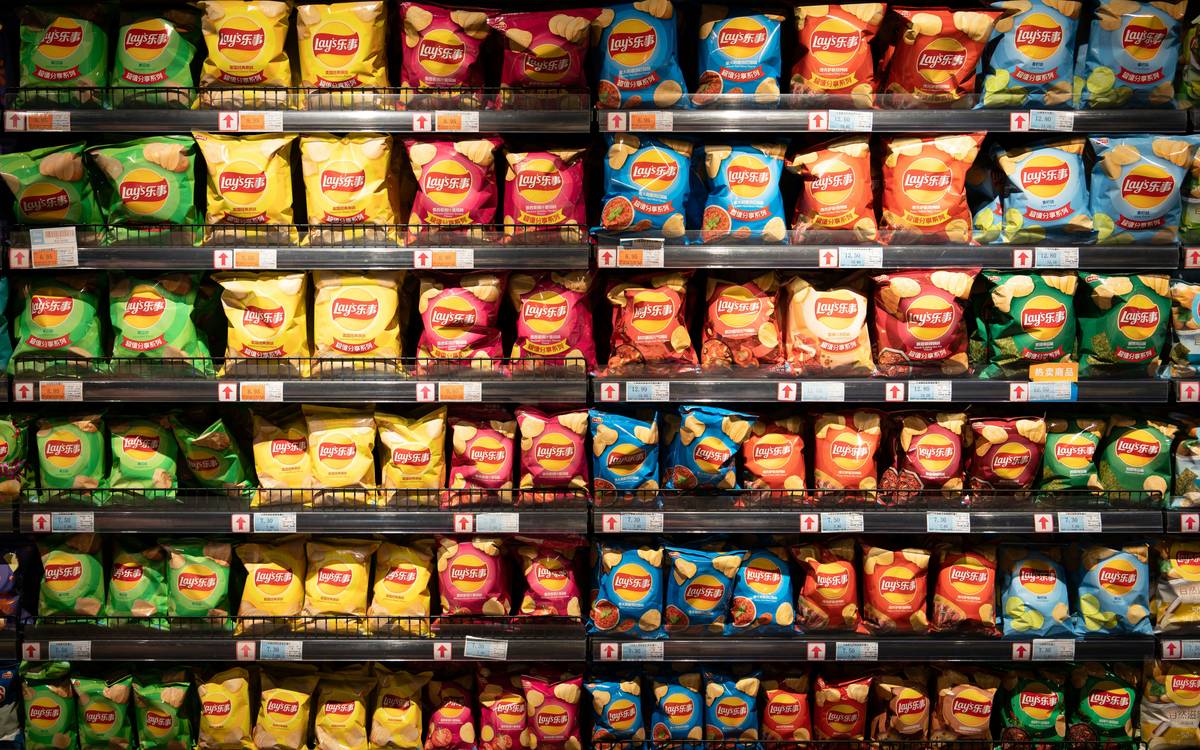
Most organic snack companies engineer their products for shelf life—not satiety. The longer something sits untouched in a warehouse, the more preservatives (even “natural” ones like rosemary extract or citric acid) it needs. And those compounds disrupt gut balance over time.
Here’s the reality: freshness decays. Nutrition degrades. Flavor fades. Yet brands market “stability” as a virtue. Don’t fall for it.
The best organic snacks aren’t found on shelves—they’re assembled minutes before eating. A sliced avocado with sea salt. A handful of soaked almonds. Leftover roasted sweet potato cubes. That’s the true antidote to organic snack challenges.
Frequently asked questions
Are all organic snacks healthier than conventional ones?
No. Organic certification only restricts synthetic pesticides and GMOs—it says nothing about sugar content, processing level, or overall nutritional value.
How can I avoid hidden sugars in organic snacks?
Read every label. Watch for terms like “evaporated cane juice,” “brown rice syrup,” or “fruit concentrate”—all are added sugars, even if organic.
Can meal timing reduce my need for snacks entirely?
Often, yes. Eating balanced meals with adequate protein and healthy fats stabilizes blood sugar, minimizing between-meal cravings and making organic snack challenges irrelevant.